.webp?width=500&height=208&name=Rainford%20Precision%20Logo%20(1).webp "Rainford Precision Logo (1)")

Machining Custom Medical Implants With The Kern Micro Vario
When it comes to custom medical implants, next-level precision is paramount. Patients rely on these implants to improve their quality of life,...
2 min read
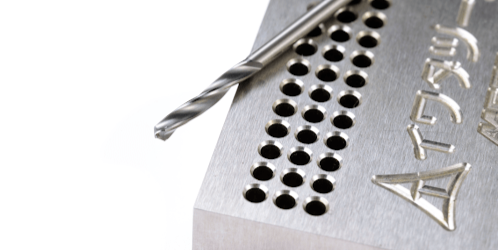
As devices get smaller and more advanced, the demand for precision micro drilling has grown alongside them. Whether it’s for aerospace sensors, medical components, or microelectronics, today’s applications often call for precise holes measured in microns with minimal burrs and smooth finishes.
You might think the simple solution is to shrink down standard drilling tools, but unfortunately, it’s not that straightforward. At such small sizes, regular tools become far more prone to vibration, deflection and rapid wear. They just can’t deliver the accuracy or consistency required. That’s why specialist micro precision tools are essential. They’re purpose-built to handle the unique challenges of micro-scale machining while delivering the high levels of performance industries demand.

In micro drilling you often use materials which are particularly hard to machine such as titanium alloys, stainless steel, Inconel, or advanced ceramics where thermal conductivity, hardness, and abrasiveness can rapidly wear down inappropriate tools.
For example, imagine drilling a composite like CFRP (carbon fibre reinforced polymer) for a satellite component. CFRP contains extremely hard fibres which act like sandpaper on cutting tools while resin layers can melt or fracture. Standard tools wear out rapidly causing tool dulling and poor hole quality.
Specialist tools, however, are designed to cater specifically to those issues, made from the right materials for the job with the right coatings, optimised point geometry and short, rigid design.
Standard materials just don’t cut it when it comes to specialist tools for micro drilling applications. As tool diameter shrinks down, even minor imperfections can cause breakage or chipping while standard-grade carbide with its bigger grains can create weak points and reduce tool integrity at micro sizes.
To help maintain structural integrity and cutting performance, precision micro drill tools are typically made from ultra-fine or nano-grain carbide grades. This allows the tool to maintain a sharp edge even at diameters below 0.1mm.
At micro level heat distortion becomes particularly problematic. Less mass equals faster heat build-up which can distort the workpiece, reduce hole quality, and wear out the tool.
Coatings such as DLC (diamond-like carbon), AlTiN, or TiSiN provide heat resistance, reduce friction and help protect cutting edges from heat and abrasion. This combined with MQL, high-pressure coolant, or cryogenic systems, help manage heat effectively.
Chip evacuation is also challenging due to extremely small flutes, which means there’s very little room for the chips to escape, increasing the chances of chip packing. This in turn creates pressure and heat, which ultimately leads to drill failure.
The answer? As well as utilising ultra-fine grain carbide, developing tools with optimised flute geometries can improve chip flow, even in tiny spaces. Polished flutes, split points, and micro-edge honing help reduce friction, improve chip evacuation and limit heat generation.
When drilling thousands of micro-holes (e.g. in printed circuit boards, watch components, or aerospace components), consistency is crucial. The excessive wear caused in standard tools at micro level makes that hard to maintain with increased risk of burr formation and hole deformities.
Investing in application-specific micro-tooling improves throughput, reduces cycle times, and ensures quality without compromise.
Achieve unparalleled precision in your micro-drilling operations. Contact Rainford Precision today to explore our specialised tooling solutions tailored for your industry's unique challenges!


When it comes to custom medical implants, next-level precision is paramount. Patients rely on these implants to improve their quality of life,...
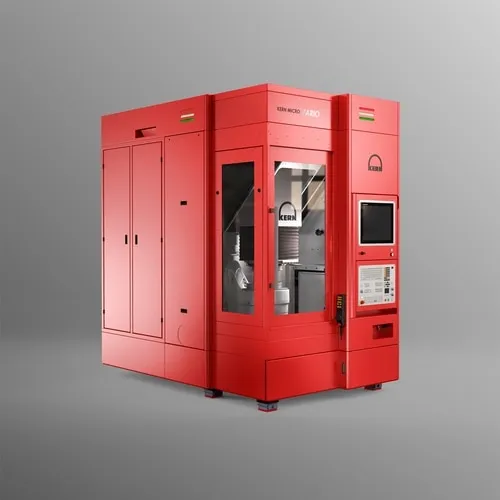
In precision engineering, micron-level accuracy isn't optional—it's essential. The Kern Micro Vario five-axis CNC machining centre delivers...
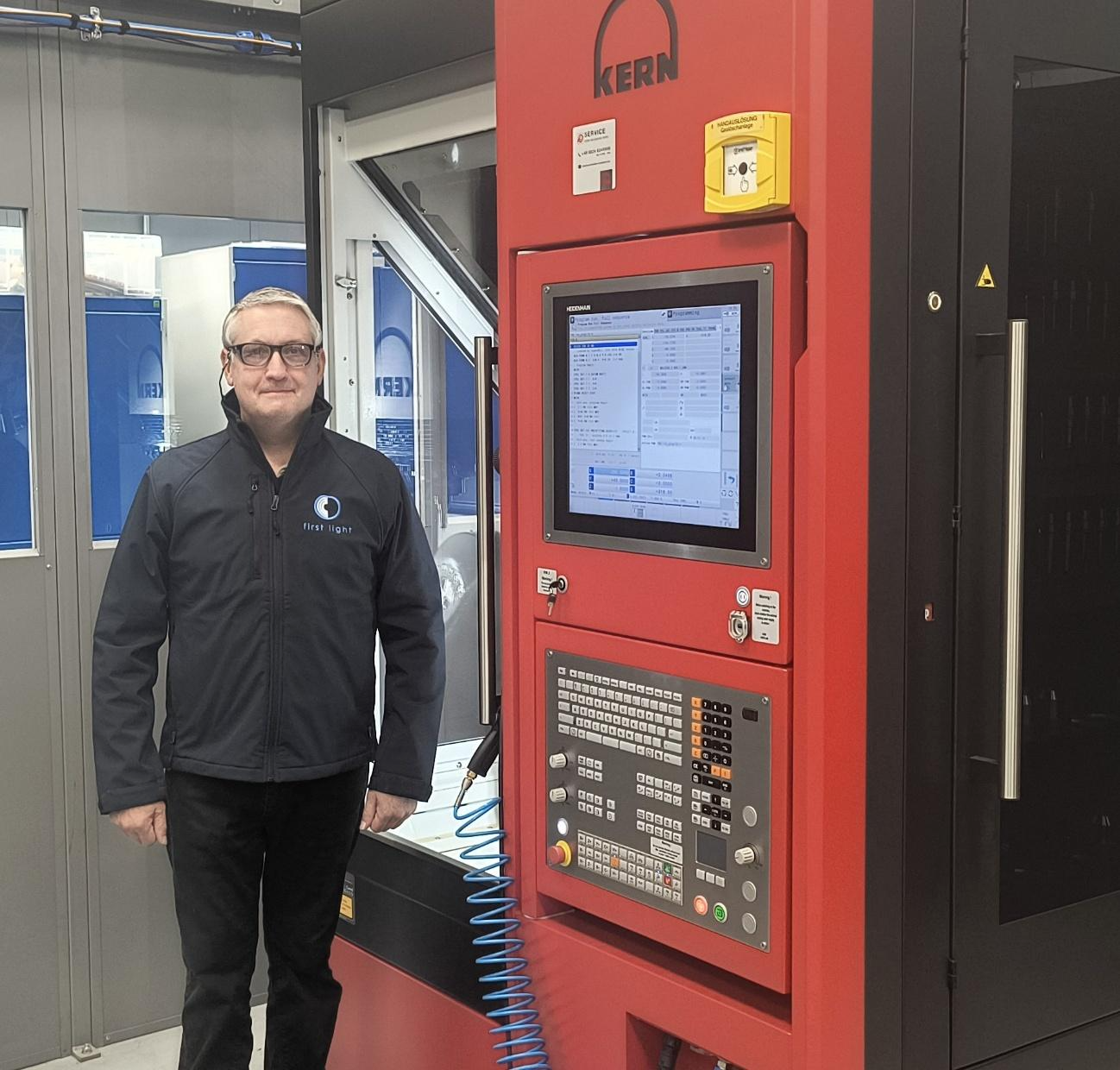
First Light Fusion, the Oxfordshire-based pioneer in inertial confinement fusion, has always been at the forefront of engineering innovation. The...