.webp?width=500&height=208&name=Rainford%20Precision%20Logo%20(1).webp "Rainford Precision Logo (1)")

Applications Driving Demand For Ultra-Fine Carbide Grades
Did you know it was German lightbulb manufacturer Osram who first developed tungsten carbide in 1923? The company’s engineers successfully managed to...
3 min read
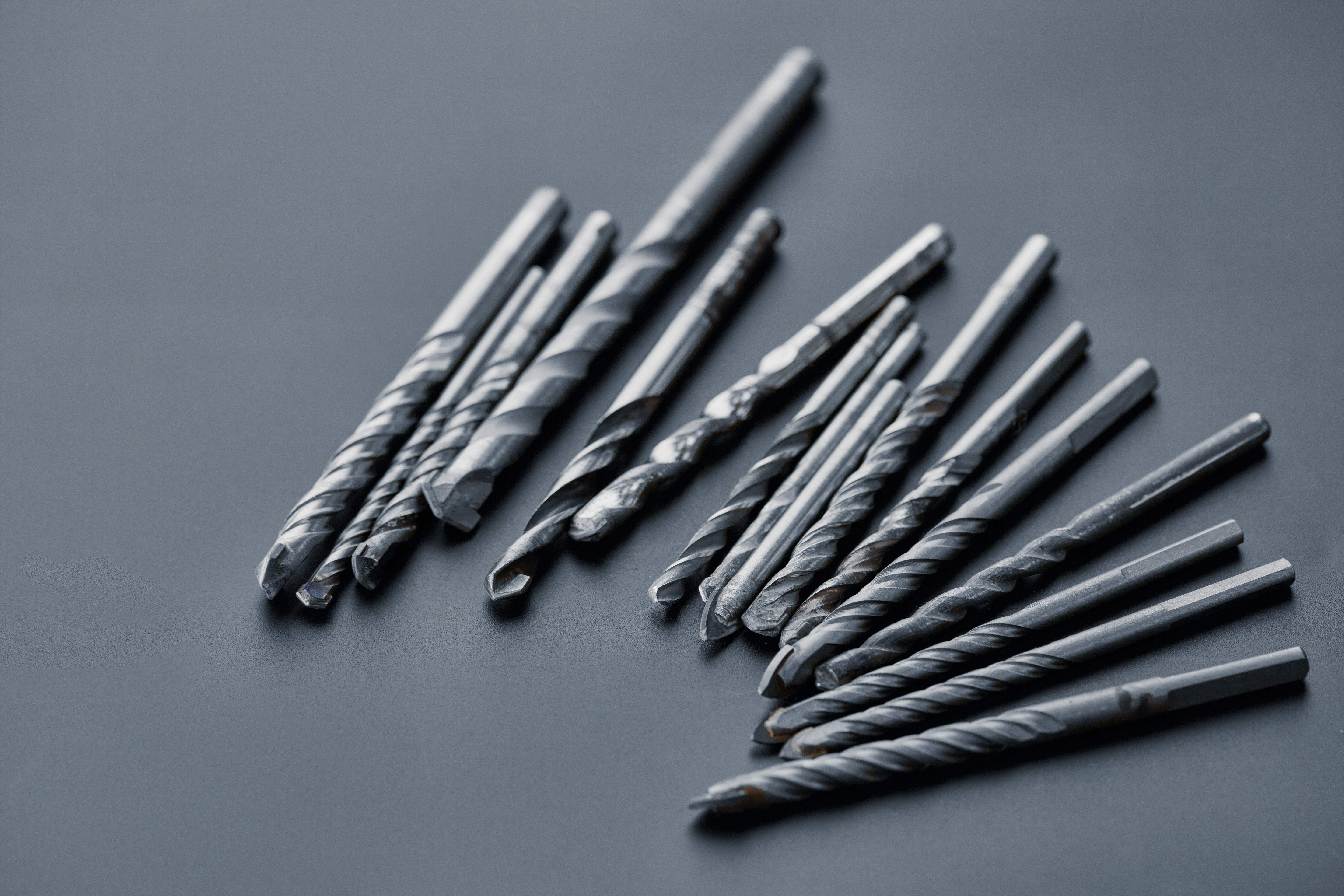
As modern manufacturing advances and uses ever more exotic materials it continues to push the limits of traditional machining. Aerospace, medical, energy and motorsport industries all use advanced alloys and technical materials designed to withstand extreme environments.

While these materials offer outstanding mechanical performance, they also present significant challenges during machining. Selecting the correct cutting tools for exotic alloys and advanced materials is therefore essential if you want to achieve reliable performance, maintain tool life and produce consistent component quality.
Many advanced materials are designed specifically to resist heat, wear and mechanical stress. While these properties make them ideal for demanding applications, they can make machining extremely challenging.
Materials such as Inconel, Hastelloy and titanium alloys generate high cutting temperatures and tend to work-harden during machining. This can quickly degrade cutting edges and reduce tool life. Other materials, including tungsten carbide and technical ceramics, are extremely hard and abrasive. These materials place intense loads on cutting tools and require specialised tooling strategies.
Composites and engineered materials introduce additional complications. Their layered structures can lead to fibre pull-out, delamination or inconsistent surface quality if the wrong tooling is used. For engineers tasked with machining Inconel titanium tools or other advanced materials, selecting the correct cutting tool technology is imperative.
One of the most important decisions when machining difficult materials is selecting the appropriate tool material. Several advanced tool materials are commonly used in precision machining applications. Solid carbide tools remain widely used because of their combination of hardness and toughness. They are particularly effective when machining titanium alloys and certain high-temperature materials.
For extremely abrasive materials, polycrystalline diamond (PCD) tools are often the preferred option. PCD offers exceptional wear resistance and is well suited to machining composites, aluminium alloys and certain ceramics.
CVD diamond tools provide even greater hardness and wear resistance. These tools are particularly effective when machining graphite, carbon fibre composites and extremely abrasive materials. For hardened steels and certain exotic alloys, cubic boron nitride (CBN) tools offer excellent thermal stability and cutting performance.
Each tool material offers distinct advantages, and selecting the correct option depends on the workpiece material and machining strategy.
Beyond tool material, the geometry of the cutting tool plays an important role in machining performance. Features such as rake angle, edge preparation and helix angle all influence how the tool interacts with the workpiece. For example, positive rake angles can reduce cutting forces when machining difficult materials such as titanium alloys. This helps minimise tool wear and improve surface finish.
Edge preparation is also important. A carefully prepared cutting edge can improve tool durability and prevent premature chipping when machining extremely hard materials. Flute design affects chip evacuation, which becomes particularly important when machining materials that produce long, continuous chips because poor chip evacuation can lead to excessive heat build-up and reduced tool life. Optimising these geometric features is often the difference between a stable machining process and a tool that fails prematurely.
Modern cutting tools often rely on specialised coatings to improve performance. These coatings provide several benefits, including improved wear resistance, reduced friction and better heat management.
In high-temperature machining environments, coatings help protect the cutting edge from thermal degradation. They can also reduce adhesion between the tool and workpiece material, which is particularly important when machining titanium alloys.
Selecting the correct coating can significantly extend tool life and improve machining efficiency when working with exotic materials.
Because advanced materials require specialised tooling solutions, many manufacturers rely on expert tooling suppliers. Rainford Precision works with a wide range of tooling partners that specialise in precision tooling for ceramics, composites and exotic alloys. These partners include:
● DTS GmbH, specialists in diamond and CBN precision tooling
● Union Tool, known for micro tooling solutions
● Hufschmied, experts in composite machining tools
● Louis Belet, manufacturers of high-performance cutting tools
● Swissceramill, specialists in ceramic machining
● 6C Tools, Hobe, Delmeco and Gloor
Each of these companies focuses on particular machining challenges, providing engineers with access to specialised tooling technologies designed for difficult materials.
When specifying cutting tools for exotic alloys, several common mistakes can lead to poor machining performance. One frequent issue is selecting tools designed for conventional materials rather than specialised tooling designed for advanced alloys.
Another common mistake is focusing solely on tool cost rather than tool performance. In many cases, higher-quality tooling can significantly reduce machining time and tool replacement costs.
Incorrect cutting parameters can also shorten tool life. Even the most advanced cutting tool will struggle if speeds and feeds are not properly matched to the material being machined.
Because machining advanced materials is complex, many manufacturers benefit from specialist application support. Rainford Precision provides engineering support to help customers select the most suitable tooling solutions for demanding applications. This includes advice on speeds and feeds, test cutting programmes and tool wear analysis.
Rainford also offers consultancy services using advanced digital microscope technology to examine cutting tool wear patterns and optimise machining processes.
Successfully machining exotic materials requires a combination of advanced tooling, machine stability and carefully optimised process parameters. When the right tools are selected and supported by expert application knowledge, even the most difficult materials can be machined with consistent accuracy and surface quality.
Get in touch with Rainford Precision today to learn more about the specialist tools available for machining exotic alloys.
Image Source: Envato
Did you know it was German lightbulb manufacturer Osram who first developed tungsten carbide in 1923? The company’s engineers successfully managed to...
Satellite manufacturing isn’t for the faint hearted – not only does it require pinpoint level accuracy, but components need high-performance thermal...

Machining materials like fired ceramics, carbides, glass and other hard materials poses significant challenges due to their brittleness and...